
It is prohibited to collect money to reserve a place to buy a house to be built in the future
November 20, 2026 · Market news
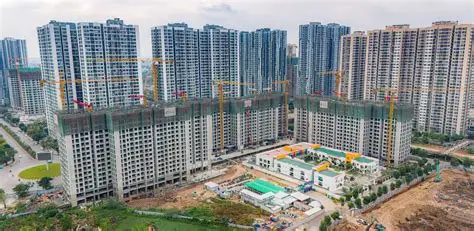
According to the newly passed law, investors are not allowed to collect money in any form to ensure the signing of a purchase contract before the project is allowed to do business.
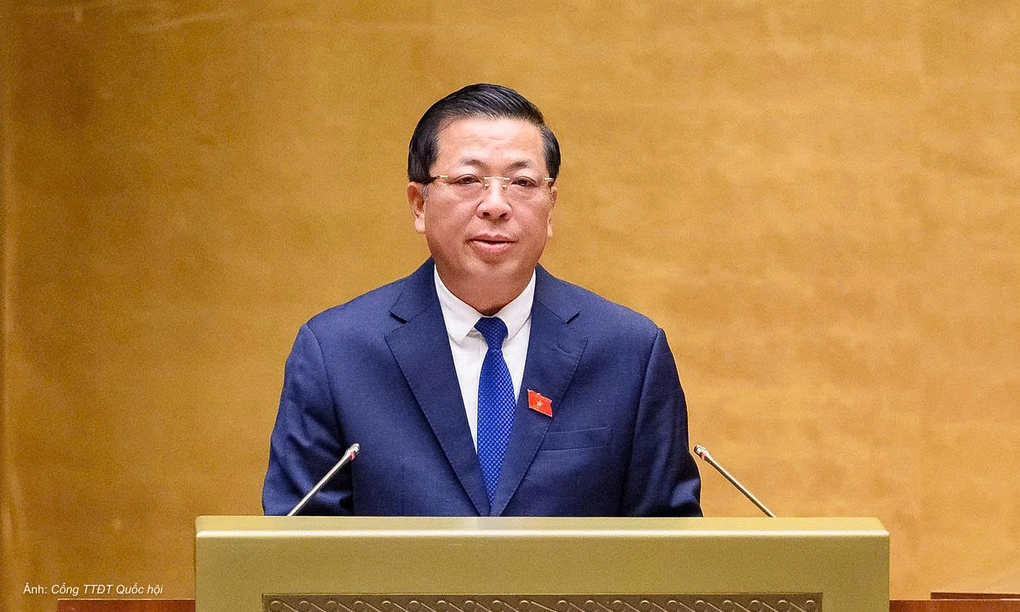
The National Assembly has just passed the Law on Real Estate Business (amended) with over 98% of participating delegates approving. The law includes 10 chapters, 63 articles, a decrease of 20 articles compared to the 2023 Law on Real Estate Business and takes effect from July 1, 2027.
It is prohibited to collect money in any form before the project is opened for business
In the report, the Government said it had accepted the opinions of National Assembly delegates and examined revenues that were in the nature of mobilizing money before the allowed time, including through intermediary organizations and individuals. In fact, in recent times, projects have not been eligible for sales, but trading floors still collect money in advance through names such as reservation fees, goodwill fees, wishes or priority fees.
Therefore, the new Law has added a regulation prohibiting investors from collecting money in any form to ensure the signing of a contract before the real estate is qualified to be put into business in Article 10.
"This regulation aims to prevent disguised capital mobilization at the root, including in the form of deposits, reservations... to protect buyers against the risk of projects not being legal enough," the Government informed.
Real estate formed in the future (houses on paper) still must meet many conditions to be put into business. In particular, the project must have documents on land use rights and be approved to complete the technical infrastructure according to progress. With apartments, the project must complete the construction of the foundation before being sold.
Payment for houses built in the future is made in many installments, of which the first payment must not exceed 30% of the contract value (including a maximum deposit of 5%). Subsequent times must be consistent with the construction progress, but the total must not exceed 70% of the contract value before handing over the house.
Withdraw the proposal to deposit 5% of the remaining value into the security account waiting for the red book
Before the buyer is issued a red book, the investor cannot collect more than 95% of the contract value. The remaining 5% is paid immediately after the buyer receives the red book.
In the previous draft law, the Government proposed to transfer 5% of this remaining value to a guaranteed account at a bank and the buyer would earn interest.
However, in the explanation and acceptance report, the Government said that this regulation has some inadequacies and is not really consistent with the management goals and protection of the rights of the parties.
"The blockade of the 5% amount leads to a situation where a significant amount of money is left in the bank account for a long time, not being used by the investor, while the buyer is not directly managed," the report stated. For projects that have been delayed in issuing red books, this amount of money may be frozen for many years.
The investor still has to fulfill financial obligations to transfer the unfinished project
Discussed at the group and in the parliament, some delegates proposed allowing unfinished projects to be transferred when the old investor has not fulfilled their financial obligations regarding land. However, the Government reserves its opinion that the project will only be transferred after the full land fee has been paid.
According to the operator, the above regulations are intended to ensure budget collection, prevent speculation and screen the real capacity of investors. For investors who no longer have the capacity, they can still implement the project through other forms such as capital mobilization, investment cooperation, transferring the part of the project whose obligations have been fulfilled, or letting the State recover and select new investors through auctions and public bidding.
This also helps minimize the risk of investors/developers taking advantage to transfer around, pushing up costs and real estate prices, affecting the healthy development of the real estate market and people's ability to access housing.